
RadNet Leeds’s core objectives include
- supporting and training the next generation of radiotherapy research leaders; and
- providing support and opportunities for early career and senior researchers to apply for funding, programme grants and Fellowships.
Fellowships and other prestigious awards
Dr Finbar Slevin
Honorary Consultant in Clinical Oncology
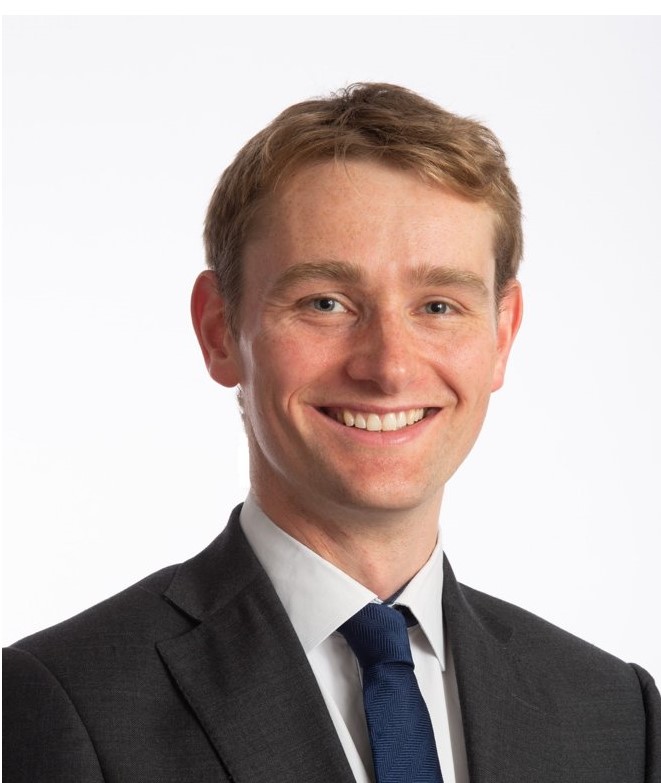
Staff Profile: Dr Fin Slevin I School of Medicine I University of Leeds
Research webpage: Modelling and Patient Perspectives to optimise Pelvic Radiotherapy (MAPP-RT)
Fin is an honorary consultant in clinical oncology and future leader at Cancer Research UK RadNet Leeds. He commenced a five-year NIHR Advanced Fellowship in April 2025. MAPP-RT (Modelling and Patient Perspectives to optimise Pelvic Radiotherapy) will see Fin collaborate with multidisciplinary radiotherapy teams from Leeds and Manchester to analyse radiotherapy planning and toxicity data from multiple clinical trials of pelvic radiotherapy in prostate cancer. This work will evaluate spatial relationships between the radiation dose received by normal tissues and development of toxicity. Combined with qualitative research to understand patients’ perspectives, MAPP-RT will enable Fin to develop, implement and evaluate novel methods for pelvic radiotherapy planning which aim to minimise risk of toxicity. The project is strongly aligned with Theme 1 Personalised and Adaptive Radiotherapy and, through its use of clinical trial data in recurrent prostate cancer, will support reirradiation research in Theme 2. To read a Plain English Summary of Fin’s research and to follow updates, see his Fellowship webpage.
Reedhi Vara
CRUK RadNet PhD Studentship
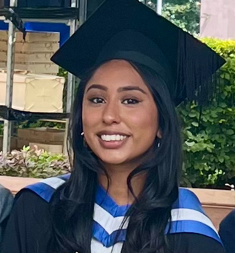
Reedhi graduated from her integrated master’s degree in Biochemistry from the University of Liverpool in 2024. Her final year research project focussed on Methionine Adenosyl Transferase (MAT) complex formation, in the context of hepatocellular carcinoma. She used Cryo-Electron Microscopy (cryo-EM) to reveal structural insights of the complex.
Reedhi started her CRUK RadNet PhD Studentship in October 2025. Her PhD is titled ‘Dynamic structures of protein-DNA organisation in irradiated and reirradiated cancer cells’. Reedhi is investigating the nanoscale structural changes in chromatin within cancer cells, in response to DNA damage following irradiation and reirradiation, using cutting-edge cell imaging and cellular structural biology methods. This includes cryo-electron microscopy/tomography (cryo-EM/ET), focused ion beam (FIB) milling with scanning electron microscopy (SEM) and correlative light and electron microscopy (CLEM). These techniques will be used to analyse clinical cancer samples subjected to various radiation doses and exposure conditions. This PhD serves as a crucial link between cancer biology and in-situ structural biology, and is a key part of our discovery science in theme 3.
Christopher Pagett
Radiotherapy physicist, Radiotherapy Physics, awarded an NIHR Doctoral Fellowship in 2025
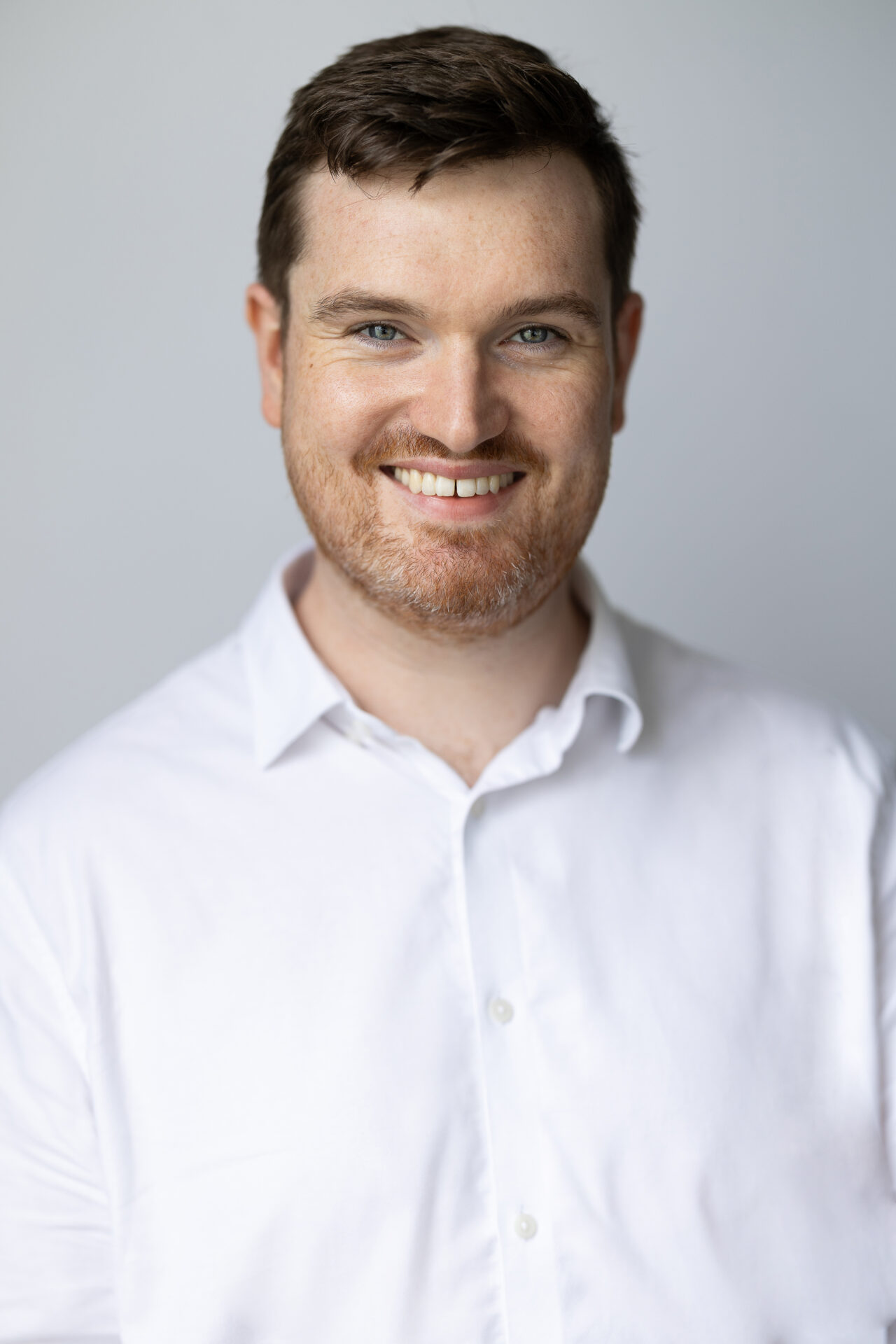
I am a Radiotherapy Physicist at Leeds Teaching Hospitals NHS Trust where I have been working since I became a registered scientist in 2019. Before working at Leeds, I graduated with an MPhys from the University of Bath, and worked at Oxford Trust as a trainee scientist, gaining registration and an MSc in Medical Physics from King’s College London.
My primary areas of research interest are improving brain radiotherapy, reirradiation, personalising treatment and advanced imaging. My initial research contract involved collaboration with the neuro-oncology research team, focussing on brain radiotherapy trials led by Leeds. I was then funded as a CRUK RadNet physicist where I focussed on theme 2, reirradiation. Our group, as part of an industry collaboration, developed STRIDeR (Support Tool for Reirradiation Decisions guided by Radiobiology), which implemented biologically accurate optimisation tools for reirradiation in a commercially available treatment planning system.
For my PhD, funded by the NIHR Doctoral Fellowship programme, I’ll be researching how oxygen-enhanced MRI (OE-MRI) can be used to improve treatment for patients with high grade gliomas (HGG). My work will assess whether OE-MRI can identify low-oxygen regions in patients with HGG. I’ll then explore whether this imaging can be used to guide radiotherapy which could help reduce recurrence and improve patient survival.
Dr David Bird
Clinical scientist, Radiotherapy Physics

Awarded an NIHR Senior Clinical and Practitioner Research Award, June 2025
The aim of my award is to grow a clinical research group, embedded within the NHS, with the remit of using translational research to deliver impactful and advanced technologies into clinical use, personalising and improving radiotherapy treatments and patient outcomes.
During the five year duration of my award I will be focussing on initiating and delivering collaborative research, learning from international radiotherapy leaders and supporting the next generation of researchers. I will also develop my understanding of regional and national strategic research oversight and clinical trial delivery with the aim of enabling the growth of research activities within the Leeds Radiotherapy Department, including supporting research governance and leveraging funding opportunities.
Raadhiyah Hussain
MRC Discovery Medicine North (DiMeN) PhD Studentship
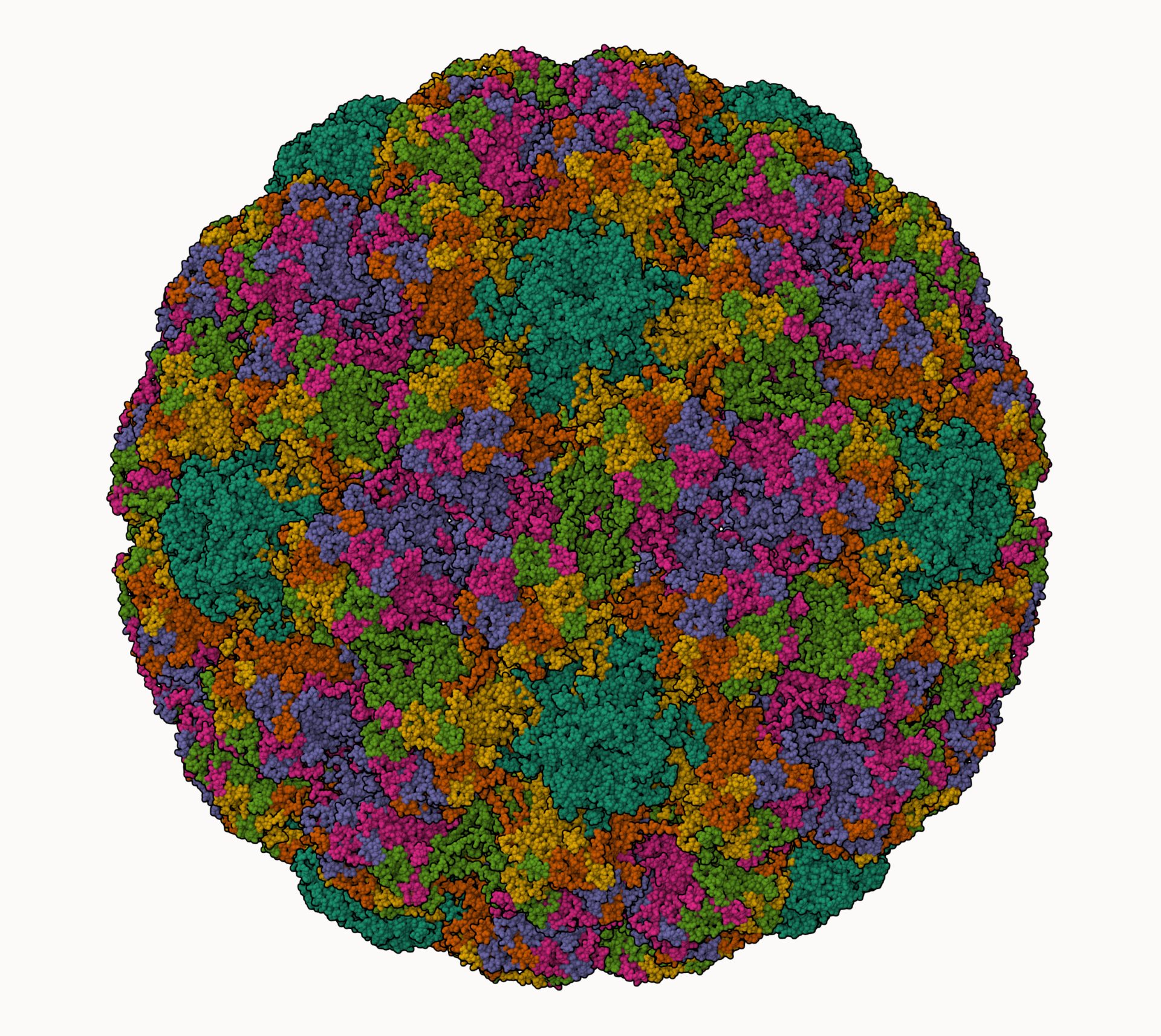
Raadhiyah’s project, part of theme 3, investigates the molecular basis for differences in radiotherapy response and survival outcomes between HPV-positive and HPV-negative anal cancers.
Raadhiyah completed her integrated Master’s degree at the University of Leeds, followed by a role as a research assistant where she focused on optimising virus-like particle (VLP) vaccine candidates – an experience that deepened her interest in translational research.
Promotions
Our Deputy Director, Ann Henry and Theme 2 and 3 co-lead Adel Samson were promoted to Professor towards the end of the first RadNet term.
Two of our University Academic Fellows, Dr Louise Murray and Dr Ane Appelt, and Dr Alex Gilbert (clinical oncology) were promoted to Associate Professor.
PhD students
From the start of RadNet Leeds in 2019, we have recruited a total of twelve PhD students (six non-clinical and six clinical). Six of the studentships are externally funded, three through the CRUK Leeds-Manchester ARTIC training programme, one Wellcome Trust 4Ward North, and one NIHR Fellowship. We currently have two CRUK Clinical Trial Unit fellows.
RadNet PhD Students Past and Present
Theme 1
Dr James Cairns

LinkedIn profile: James Cairns | School of Medicine | University of Leeds and LTHT
James is an academic Radiology Registrar with a strong focus on integrating artificial intelligence into radiology. He has secured a Cancer Research UK funding for a Leeds-Manchester PhD, which explores the use of automated body composition analysis as a surrogate marker of frailty to guide personalised anal cancer treatment within the PLATO clinical trial framework.
With experience in extracting quantitative data from radiological images, James has developed a keen interest in AI-assisted imaging workflows to enhance diagnostic accuracy and clinical decision-making. As a member of the Leeds Teaching Hospitals NHS Trust Imaging AI Board, he contributes to the implementation of AI-driven healthcare solutions. His work aims to bridge the gap between advanced imaging analytics and clinical practice, ultimately improving patient outcomes.
Anna Clark
Clinical Scientist, Leeds Teaching Hospitals NHS Trust
Anna is a Clinical Scientist at Leeds Teaching Hospitals NHS Trust specialising in radiotherapy physics, and is an NIHR Doctoral Fellow (NIHR303569).
Anna began her research career at Leeds as a CRUK RadNet funded research physicist from 2020 to 2024. Anna worked on projects involving the use of artificial intelligence in radiotherapy in projects such as automatically contouring organs at risk to improve the efficiency of radiotherapy planning, and predicting organ motion for improved targeting of lung and liver cancers.
Anna’s experience as a RadNet physicist supported her to apply for an NIHR Doctoral Clinical and Practitioner Academic Fellowship which she was awarded in April 2024. Her primary PhD supervisor is Professor Ann Henry.
Anna’s PhD is focused on improving the personalisation of radiotherapy for locally advanced cervical cancer aiming to reduce the radiation-induced side-effects patients experience. She will be investigating the use of advanced image registration techniques to improve how we target the cancer, and working in collaboration with researchers from the international multi-centre prospective EMBRACE-II trial to explore how advanced techniques are implemented across international centres.
Mr Isuru Wijesinghe

Isuru’s project focussed on AI for motion modelling in radiotherapy, Theme 1, WP1. This research aimed to envisage a hybrid modelling approach that integrates biomechanical models of the relevant organs with deep learning techniques (Deep Motion Models) to estimate internal anatomical deformations in real-time.
Isuru holds a Degree in Master of Science (Engineering) from the University of Moratuwa.
Profile: Isuru Wijesinghe | School of Mechanical Engineering | University of Leeds
Miss Behnaz Elhaminia
Behnaz’s project explored machine learning for outcome prediction after pelvic radiotherapy, Theme 1, WP2.
Behnaz received her B.S. degree in computer engineering, in 2014, and her M.S. degree in 2018, both from Ferdowsi University of Mashhad (FUM), Mashhad, Iran. She was a research student of MVLab (Machine Vision Laboratory) in FUM during her studies.
Profile: Behnaz Elhaminia – CISTIB Portal
Mr Stelios Theophanous

Stelios’s PhD focussed on predicting treatment outcome in anal cancer, Theme 1, WP2. In collaboration with multiple institutions , a distributed learning framework was employed which allowed the development and validation of machine learning models across centres. Stelios aimed to develop robust outcome prediction models that can be used in a clinical setting to inform and guide the RT-based treatment of anal cancer.
Stelios completed his Masters in Bioinformatics and Systems Biology at the University of Manchester and worked as a data scientist at the Leeds Institute for Data Analytics (LIDA).
Profile: Stelios Theophanous | School of Medicine | University of Leeds
Dr Matt Beasley
Matt Beasley is an Advanced Practitioner Therapeutic Radiographer working in the Advanced Radiotherapy Technologies Network (ART-NET) at Leeds Teaching Hospitals NHS Trust. Matt earned his PhD through a prestigious HIE/NIHR ICA Clinical Doctoral Research Fellowship (CDRF).
This Fellowship provides non-medics with funding to complete a PhD whilst continuing with their clinical career. Over the four years of the Fellowship, Matt worked closely with the clinical and radiotherapy research teams at Leeds Cancer Centre and the University of Leeds on a PhD project entitled: MRI scans with respiratory Immobilisation to Contour Radiotherapy Organs at risk using oral Contrast of Hypo or hyper intense fluids Including the Patient perSpective: The MICROCHIPS study.
Theme 2
Dr Jim Zhong
Jim is now a Clinical Trials Fellow. He completed his PhD after being awarded the competitive CRUK Leeds-Manchester Stella Erdheim Clinical PhD Fellowship (£255k) to investigate novel prostate re-irradiation.
Jim will contribute to Theme 2 with a research project entitled ‘Personalising re-irradiation of locally recurrent prostate cancer directed by MR Imaging and hypoxia biomarkers.’ He will recruit participants to a biomarker driven pilot study across RadNet Centres as part of this project.
Profile: Jim Zhong I School of Medicine I University of Leeds
Theme 3
Dr Robert Samuel

Robert Samuel is a current clinical oncology specialist trainee in the West Yorkshire programme. He graduated from the University of Edinburgh before moving to Newcastle for Academic Foundation Training and then to Leeds for an Academic Clinical Fellowship in Leeds. He is starting a CRUK Leeds-Manchester Clinical Research Training Fellowship in October 2020.
Robbie’s PhD project was entitled ‘Rationally developing the next generation of personalised target drug-chemotherapy combination trials in anal cancer’. His work is part of theme 3 and he is interested in early phase translational trials in lower GI cancer using novel radiotherapy-drug combinations.”